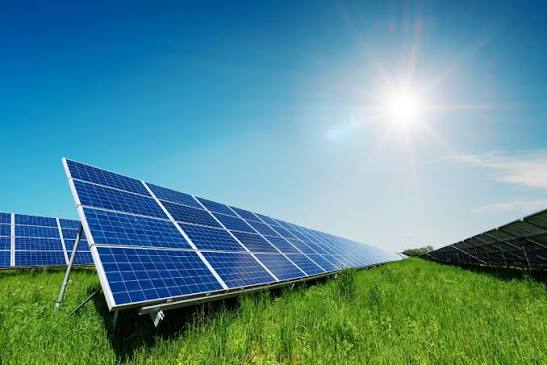
Choosing the best panouri fotovoltaice, or photovoltaic panels, for your home is a significant decision that requires careful consideration of various factors. As solar energy becomes increasingly popular due to its environmental benefits and potential cost savings, many homeowners are looking to invest in solar panel systems. However, selecting the right photovoltaic panels involves understanding technical specifications, evaluating quality and efficiency, considering installation requirements, and assessing long-term performance. This article will guide you through the essential steps to choose the best panouri fotovoltaice tailored to your home’s needs.
First and foremost, it is important to understand what panouri fotovoltaice are and how they work. Photovoltaic panels convert sunlight directly into electricity using semiconductor materials such as silicon. When sunlight hits these materials, it excites electrons and generates an electric current that can be used to power your home or stored in batteries for later use. The effectiveness of this process depends on several factors including the type of panel technology used, its efficiency rating, durability under varying weather conditions, and compatibility with other system components.
One of the primary considerations when choosing photovoltaic panels is their efficiency rating. Efficiency refers to how well a solar panel converts sunlight into usable electricity. Higher efficiency panels produce more power from the same amount of sunlight compared to lower-efficiency models. This means that if you have limited roof space or want maximum output from your system, investing in high-efficiency panouri fotovoltaice makes sense despite their typically higher upfront cost. Monocrystalline solar panels generally offer higher efficiencies (around 15-22%) than polycrystalline ones (13-18%), making them a preferred choice for many residential installations.
In addition to efficiency ratings, pay close attention to the wattage capacity of each panel unit. Wattage indicates how much power a single panel can generate under ideal conditions-usually measured in watts peak (Wp). Depending on your household’s energy consumption patterns and available installation area on your roof or property grounds, you may need multiple panels with specific wattages arranged strategically for optimal performance throughout different times of day or seasons.
The physical size and weight of photovoltaic modules also matter during selection since they affect where and how easily they can be installed on your property’s structure without causing damage or requiring extensive reinforcements. It’s advisable that before purchasing any set of panouri fotovoltaice you consult with professional installers who can assess whether your roof orientation (south-facing roofs receive most sun exposure), tilt angle relative to geographic latitude (optimal angles maximize exposure), shading issues caused by trees/buildings nearby might reduce effective output significantly over time.
Another critical aspect concerns product warranties offered by manufacturers along with certifications demonstrating compliance with international standards such as IEC 61215/61730 which ensure reliability even after years exposed outdoors amid changing weather elements like rain snow heat UV radiation etcetera.. Reliable manufacturers provide at least 10-25 years warranty coverage covering both product defects as well as performance degradation guarantees assuring customers minimal loss beyond stated thresholds annually typically less than 0 .5% per year decline rate indicating longevity value retention over decades thus protecting investment returns while avoiding costly replacements prematurely .
When comparing brands it helps reading customer reviews feedback forums independent testing results published by organizations specializing in renewable energy technologies helping identify reputable companies versus those prone toward quality control issues hidden manufacturing compromises potentially voiding warranty claims down line..
Cost-effectiveness remains one major deciding factor alongside technical specs because initial investment price combined with expected savings determines overall feasibility & payback period length influencing financial planning decisions especially if no government subsidies incentives apply locally reducing upfront burden substantially via rebates tax credits net metering agreements lowering monthly utility bills dramatically improving return-on-investment ratios sometimes within five-seven years timeframe depending upon region climate electricity rates consumption habits..