
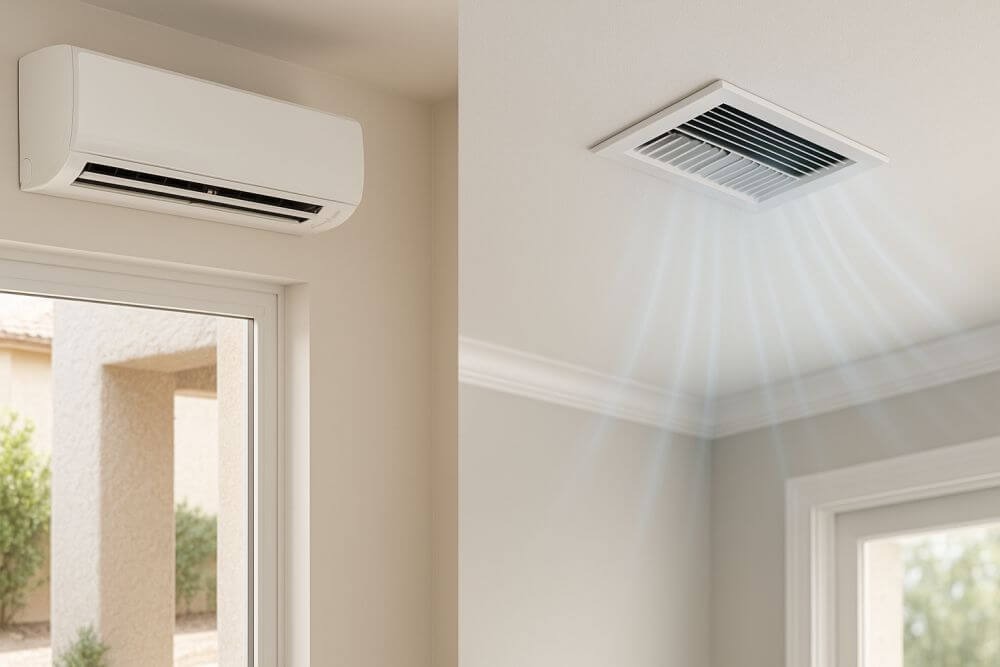
Mini split units have become increasingly popular in both residential and commercial settings due to their ability to provide efficient climate control without the need for extensive ductwork. These systems consist of an outdoor compressor and one or more indoor air-handling units, which can be mounted on walls, ceilings, or floors. What sets modern mini splits apart is their combination of high energy efficiency with sleek, contemporary designs that blend seamlessly into various interior styles.
Energy efficiency is a critical factor when choosing heating and cooling solutions today. Mini split units excel in this area by using inverter technology that adjusts compressor speed according to the temperature demand rather than operating at a fixed level. This variable-speed operation reduces energy consumption significantly compared to traditional HVAC systems that cycle on and off frequently. Many models also feature high Seasonal Energy Efficiency Ratio (SEER) ratings, ensuring lower electricity bills while maintaining comfortable indoor temperatures throughout the year.
Beyond performance, mini splits are designed with aesthetics in mind. Manufacturers now offer indoor units with slim profiles, smooth finishes, and neutral color palettes such as white, black, or metallic shades that complement modern décor effortlessly. Some premium models even include customizable faceplates or integrated lighting options for enhanced visual appeal. This focus on design allows homeowners and business operators to install efficient climate control without compromising interior style.
Installation flexibility further contributes to the appeal of Mini Split systems combining efficiency with modern design. Since these units do not require ductwork, they are ideal for older buildings where adding ducts would be impractical or costly. The compact size of indoor components means they can fit into tight spaces like small rooms or apartments without overwhelming the area visually or spatially. Additionally, multi-zone configurations enable independent temperature control across different rooms using multiple air handlers connected to a single outdoor unit.
Advancements in smart technology have also been incorporated into many contemporary mini splits. Wi-Fi connectivity allows users to operate their systems remotely via smartphone apps or integrate them with home automation platforms such as Google Home or Amazon Alexa. This convenience enhances user experience by providing precise control over comfort settings while optimizing energy usage based on occupancy patterns.
In summary, mini split units represent an excellent solution for those seeking efficient heating and cooling combined with elegant design features suitable for modern interiors. Their energy-saving capabilities reduce operational costs while offering versatile installation options adaptable to diverse environments. With ongoing innovations in technology and aesthetics, these systems continue evolving as preferred choices among consumers prioritizing both functionality and style in climate control equipment.