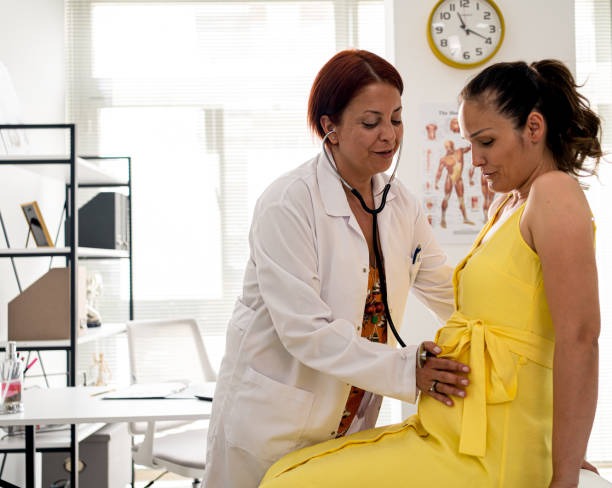
Flying during pregnancy is a common concern for many expectant mothers who wish to travel safely without jeopardizing their health or that of their baby. Generally, air travel is considered safe for most pregnant women up to about 36 weeks gestation, but certain precautions and guidelines should be followed to ensure a comfortable and risk-free journey. It is important first to consult with a healthcare provider before making any travel plans, as individual circumstances such as pregnancy complications or multiple pregnancies may influence the safety of flying.
The second trimester, between 14 and 28 weeks, is often regarded as the safest period for flying because morning sickness typically subsides and the risk of miscarriage decreases. During this time, most women experience fewer discomforts related to air travel. However, even in uncomplicated pregnancies, it’s essential to stay hydrated throughout the flight by drinking plenty of water. Airplane cabins tend to have low humidity levels which can cause dehydration more quickly than usual. Wearing comfortable clothing and shoes can help reduce swelling in the feet and ankles caused by prolonged sitting.
Movement during flights plays an important role in preventing blood clots, which pregnant women are at higher risk for due to increased blood clotting factors during pregnancy. Standing up every hour or so when possible and doing simple leg exercises while seated helps maintain circulation. Compression stockings may also be recommended by healthcare providers for longer flights or if there are additional risk factors like previous clotting issues.
Airlines often have specific policies regarding pregnant travelers; some require medical clearance after a certain point in pregnancy, usually after 28 weeks. It’s advisable to check these policies beforehand along with any restrictions related to destination countries concerning prenatal care availability or potential exposure risks such as infectious diseases.
Avoiding heavy lifting of luggage or stressful situations at airports reduces physical strain on expecting mothers. Additionally, it is wise not to fly if experiencing signs of preterm labor, bleeding, severe nausea or vomiting that cannot be controlled, high blood pressure disorders like preeclampsia, or other serious medical conditions diagnosed by a doctor.
In summary, flying during pregnancy can i travel when Pregnant proper measures are taken including consultation with healthcare professionals prior to travel planning. Staying hydrated; moving regularly; wearing supportive clothing; understanding airline regulations; avoiding strenuous activities; and being aware of warning signs all contribute toward minimizing risks associated with air travel while expecting a baby. Careful preparation allows many pregnant women the opportunity to fly comfortably until late into their pregnancies under appropriate guidance from their medical team.
Head Office
168, BSNL Road, Near BSNL office, Sector 3, Hiran magri, Udaipur, Rajasthan 313001
Call
+91 90018 38800
+91 90019 97440
Email Us
dralkaivf01@gmail.com
Operating Hours
Mon – Sat 9 AM – 6 PM
Sunday 9 AM – 4 PM